
What Should Be Considered When Managing Parking for Delivery Vehicles?
06 April 2026

Have you fully understood the flow of parking management for delivery vehicles? What should be considered when managing parking for delivery vehicles, what factors influence it, and what role does this system play?
If not, you’re in the right place! SOS will walk you through everything you need to know about delivery parking management to ensure your business operations run smoothly.
For companies that rely on daily goods distribution, a poorly managed parking system can become a major bottleneck.
In fact, many companies are now considering professional solutions such as outsourcing services in Jakarta to maintain optimal operations. Before deciding to use such services, make sure you understand the key points below!
What Should Be Considered When Managing Parking for Delivery Vehicles? Here Are 5 Key Factors!
Before discussing solutions, it’s important to understand the fundamental elements that determine whether a parking system is effective.
1. Adequate Parking Capacity
Parking capacity must align with the number of vehicles entering and exiting daily. If capacity is too limited, vehicle queues can disrupt distribution processes. On the other hand, sufficient capacity ensures smooth operations.
2. Clear Parking Zone Arrangement
Parking areas should be divided based on vehicle type or operational purpose. For example, separate zones for loading/unloading and standby vehicles. This organization reduces confusion among on-site staff.
3. Vehicle and Cargo Security
Security is a critical aspect of logistics parking management. Surveillance systems such as CCTV and security personnel can minimize risks of theft or damage.
4. Accessibility and Maneuverability
Delivery vehicles are generally large and require ample space to move. Narrow or poorly planned routes can slow down parking processes and increase accident risks.
5. Parking Time Management
Parking duration must be regulated to prevent vehicle buildup.An effective time management system allows vehicles to rotate efficiently without delays.
For example, companies can implement a time slot scheduling system for incoming vehicles. Additionally, using digital queue systems or entry-exit time tracking helps staff monitor parking duration in real time.
With this approach, vehicles that have completed loading or unloading can exit promptly, making way for the next vehicle without causing congestion.
Read Also: Types of Parking Systems and How to Choose the Right One for Your Property
The Role of Vehicle Flow in Logistics Parking Systems
Beyond capacity and layout, vehicle flow is a crucial aspect that is often overlooked.
1. Preventing Internal Congestion
Unstructured flow can cause vehicle buildup at certain points. Clear traffic routing ensures smoother movement without bottlenecks.
2. Speeding Up Loading and Unloading
Efficient flow allows vehicles to reach operational points directly without unnecessary delays. This directly impacts the speed of goods distribution.
3. Improving Operational Safety
Well-organized traffic flow reduces the risk of collisions or incidents in the parking area. Clear entry and exit routes help both staff and drivers move with better direction and less confusion. Additionally, structured flow minimizes risky crossing points between vehicles, creating a safer logistics environment overall.
4. Supporting Staff Coordination
A clear vehicle flow helps employees better understand their roles and vehicle movements. This leads to more effective coordination on the ground.
Read Also: How Automatic Parking Systems Make Parking More Organized
Effective Solutions for Managing Delivery Vehicle Parking
After understanding the challenges, the next step is choosing the right solutions to optimize parking management. Here are some effective approaches:
1. Use an Integrated Parking Management System
Digital systems help monitor vehicle movement in real time. They enable more accurate scheduling and capacity management.
2. Rely on Experienced Professionals
Parking management requires trained personnel to ensure smooth operations. Professional staff can ensure procedures are properly implemented on-site.
3. Optimize Parking Layout
Regular evaluation and improvement of parking layout can significantly enhance efficiency. Even small adjustments can have a major impact on operations.
4. Use Outsourcing Services for Efficiency
Many companies are now turning to outsourcing for professional parking management. This approach allows businesses to focus on core activities without being burdened by parking operations.
Read Also: Stages of Cashless Parking Systems in Asset Management
Optimize Your Delivery Vehicle Parking with a Professional Vendor!
Managing parking for delivery vehicles is not a simple task. Every aspect—from capacity to vehicle flow—is interconnected and affects overall operational efficiency.
To ensure everything runs optimally, you need an integrated solution supported by reliable systems and professional personnel. PT Shield On Service Tbk (SOS) is your trusted partner in managing logistics parking more efficiently, securely, and systematically.
With proven experience and systems, SOS parking services can enhance operational productivity while minimizing on-site risks.
It’s time to switch to a more effective solution—contact SOS today!
More News

Types of Cleaning Service Training for Efficient Operations
Providing various types of cleaning service training is crucial to maintain employee performance quality. But what materials should be included? Read here!
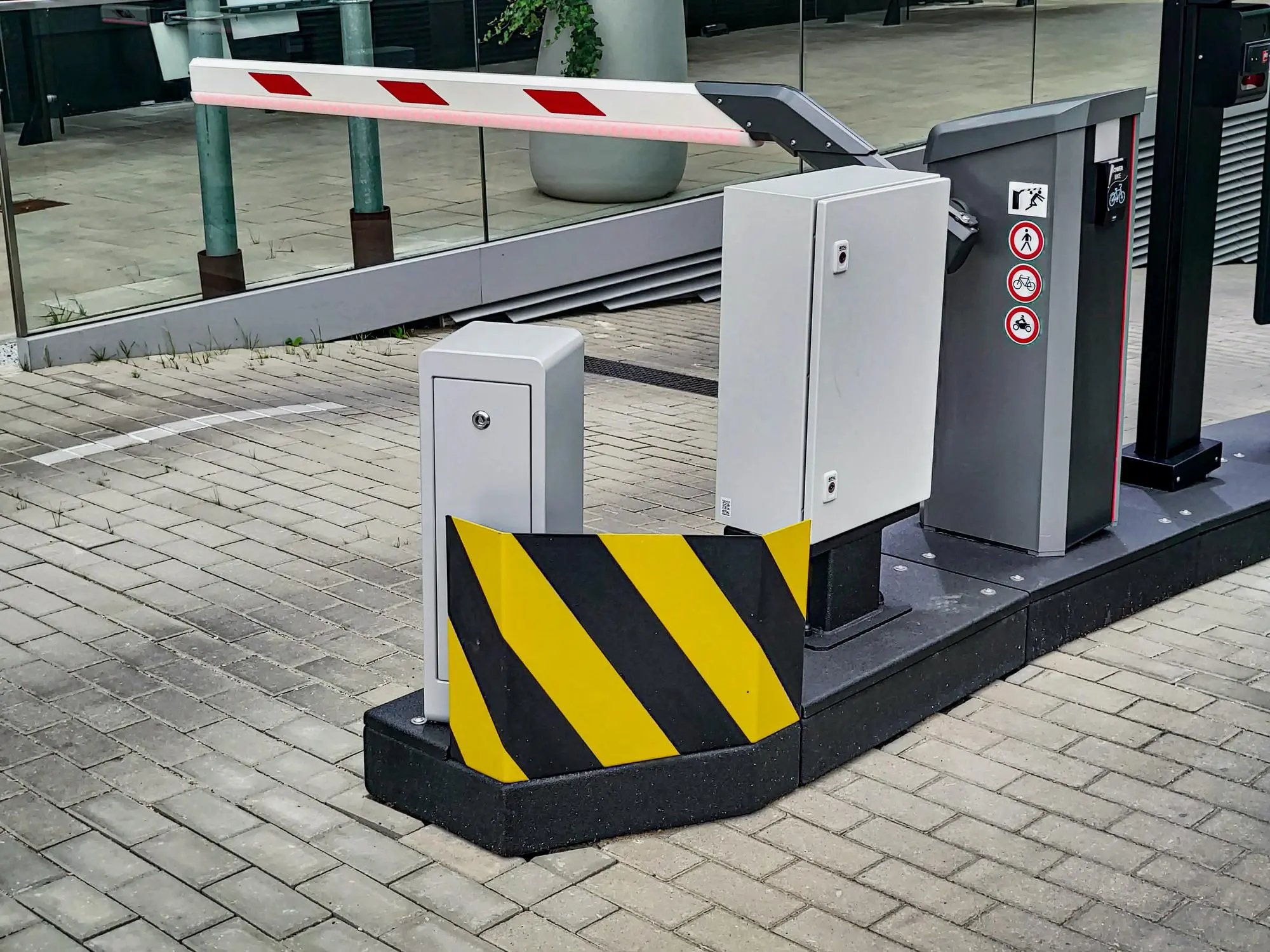
Want to Use an Automatic Parking Machine? Here’s What You Need to Know
Want to use an automatic parking machine? Understand its functions, key features, and tips to choose the right system for your company’s parking needs.

Is Security Outsourcing Necessary? Check These 4 Aspects Before Deciding
Security outsourcing is essential if you want certified personnel who meet professional standards. Learn more here!